Penetration Testing And Security Audits
In today's increasingly digital world, ensuring the safety and integrity of your organisation's data, assets, and networks is paramount. The security landscape is always evolving, and with it, the potential risks that threaten the very heart of your business. ProCheckUp's penetration testing and security audits provide a proactive approach to safeguard your systems and ensure compliance with top-tier security standards, including CHECK, GDPR and PCI DSS.
Why Is a Penetration Test Crucial?
Every organisation, irrespective of its size or the nature of its business, has something valuable that malicious actors may target: For example data. This data, if breached, can result in significant financial losses, damage to your brand's reputation, and potential legal consequences.
Choose the right penetration test
AI security testing and LLM penetration testing — assess prompt injection, data access and connected tools within your agreed application scope.
Web applications and APIs — assess authentication, user permissions, business workflows and the handling of data.
Infrastructure testing — examine exposed services and internal systems within an agreed network scope.
Cloud environments — scope AWS or Azure testing around your applications, identities, resources and trust relationships.
IoT and connected devices — examine hardware interfaces, firmware, wireless communication and supporting services.
Kiosks and restricted desktops — test whether an agreed user can escape the permitted application or session.
Mobile application testing — examine the application and its agreed supporting interfaces.
Discuss a penetration testing scope with the systems, business priorities and deadlines you have in mind.
Evidence from a real engagement
In our bank community portal case study, testing covered public access and self-registered user functions. Employee and administrative functions were excluded. The case shows why user roles and test boundaries need to be explicit.
Penetration test, configuration review or security audit?
Penetration testing: identify and, within agreed limits, demonstrate exploitable weaknesses and their impact. A vulnerability scan can support the work, but does not replace consultant investigation.
Configuration and build review: examine settings and hardening decisions against the agreed baseline. See build reviews and segmentation testing for distinct assessment questions.
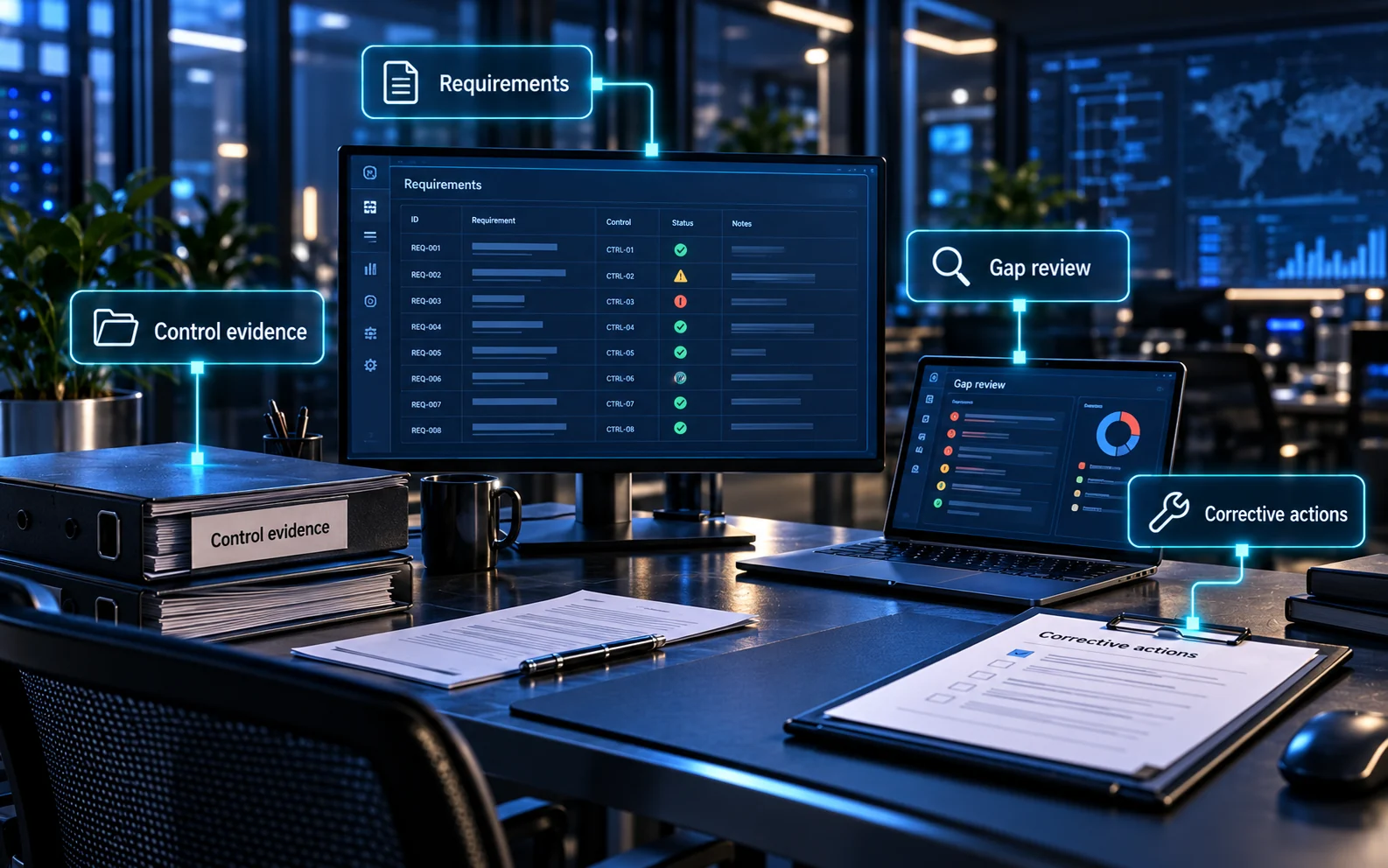
Security audit: assess the selected technical controls, policies, procedures and evidence against an agreed requirement. Define the standard and reporting purpose before work begins.
Red, blue or purple team exercise: assess agreed attack scenarios and detection or response objectives. Social engineering, persistence and wider adversarial simulation require a separately agreed scope.
Testing can provide evidence for a compliance programme. A penetration test alone does not establish compliance with PCI DSS, data protection law or every requirement of another framework.
Why Choose ProCheckUp for Your Cybersecurity Needs
Choosing ProCheckUp means partnering with a proven leader with over 25 years experience. Our CREST and NCSC endorsements reflect our commitment to delivering top-tier cyber services across various sectors. We offer flexible, cost-effective solutions tailored to meet the diverse needs and budgets of our clients, ensuring continuous improvement.

Our Comprehensive Security Audit Process
ProCheckUp's Security Audit offers a holistic examination of your organization's IT infrastructure, processes, and policies. Our approach is segmented into key stages:
1. Initial Assessment
At this crucial first stage, we invest our time and expertise to understand your organization's operational intricacies. By gaining insights into your systems and their configurations, we can map out the security landscape that's specific to your business environment.
Key Components:
Inventory of Assets: Identifying and categorizing all IT assets.
Threat Modeling: Recognizing potential threats specific to your industry and operations.
Risk Analysis: Calculating the potential impact and likelihood of identified threats.

2. Penetration Testing
Beyond mere vulnerability assessments, our penetration testing simulates real-world attack scenarios. This hands-on approach helps us identify not just potential weaknesses but also understand their exploitability in real-time scenarios.
Key Highlights:
External & Internal Network Testing: Ensuring defenses are strong both externally and internally.
Application Testing: Inspecting the security posture of your proprietary and third-party applications.
Social Engineering Tests: Evaluating the human element by simulating phishing attacks, baiting, and more.

3. Review of Policies and Procedures
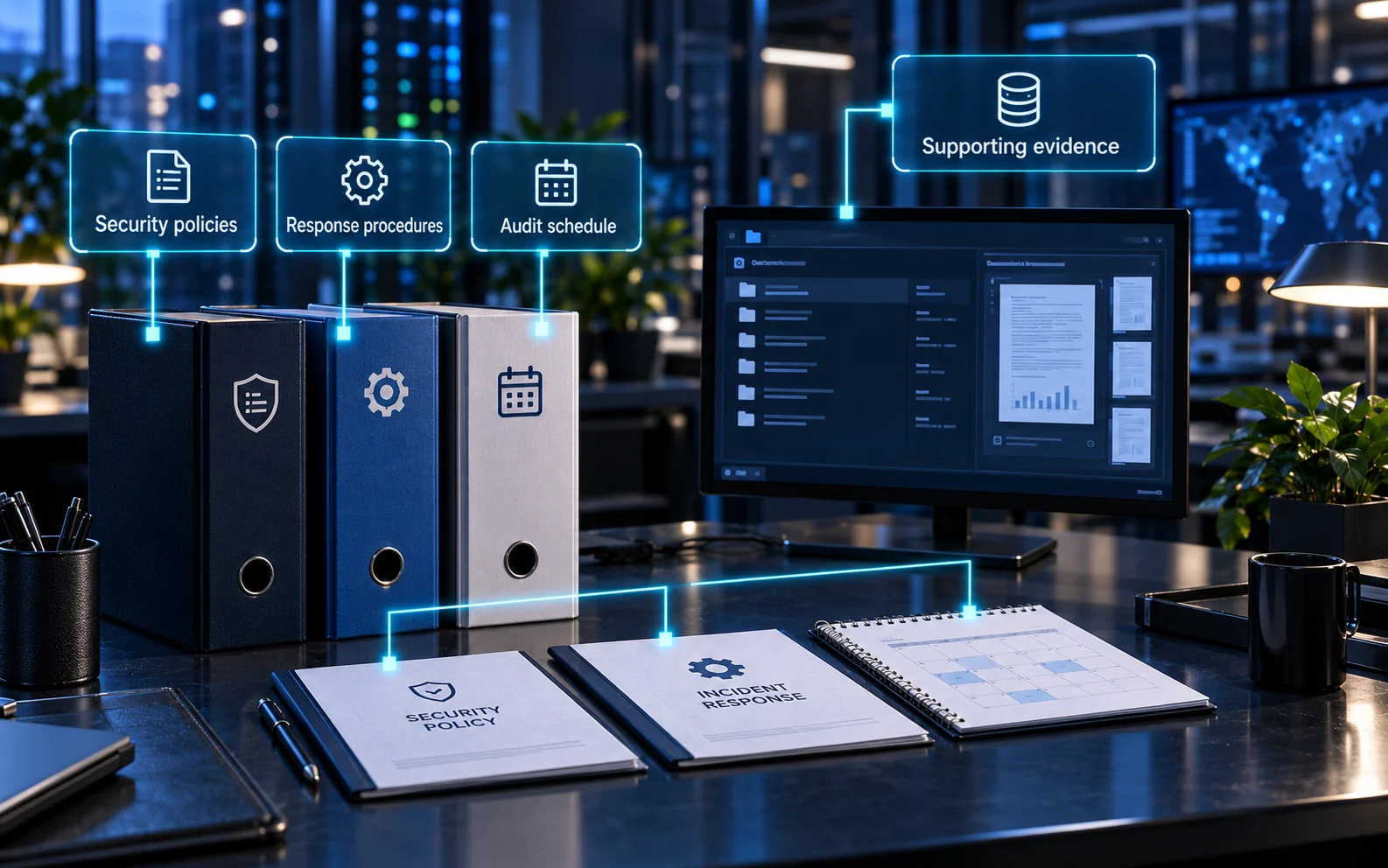
The most sophisticated technology can be rendered ineffective without the right policies in place. We delve into your organization's documentation to ensure that your policies aren't just robust but also actively practiced.
Aspects Reviewed:
Password Policies: Ensuring strong authentication practices.
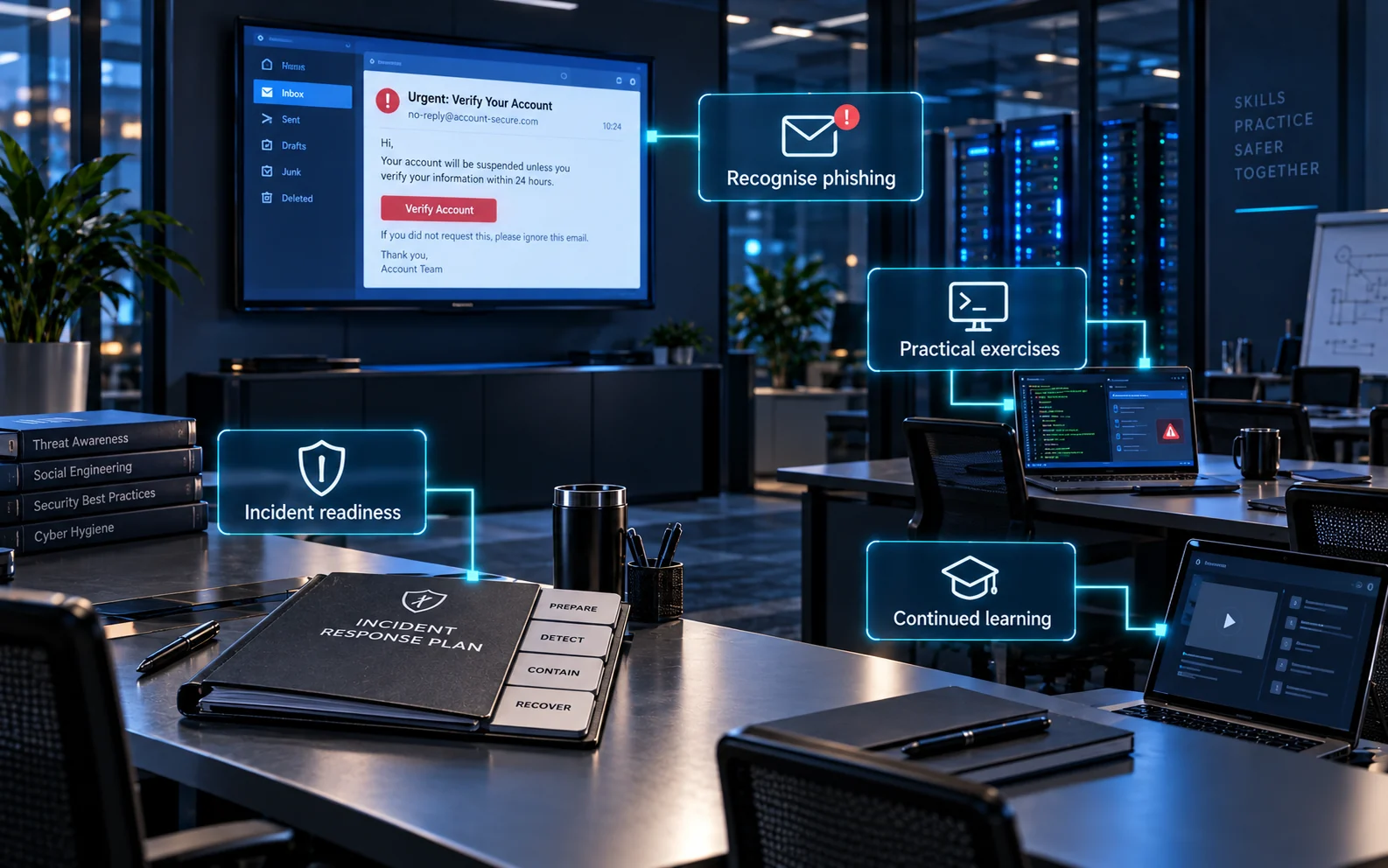
Incident Response Plan: Verifying the readiness of your organization in case of a breach.
Regular Audit Schedules: Ensuring that internal audits are frequent and thorough.
4. User Access and Control Review
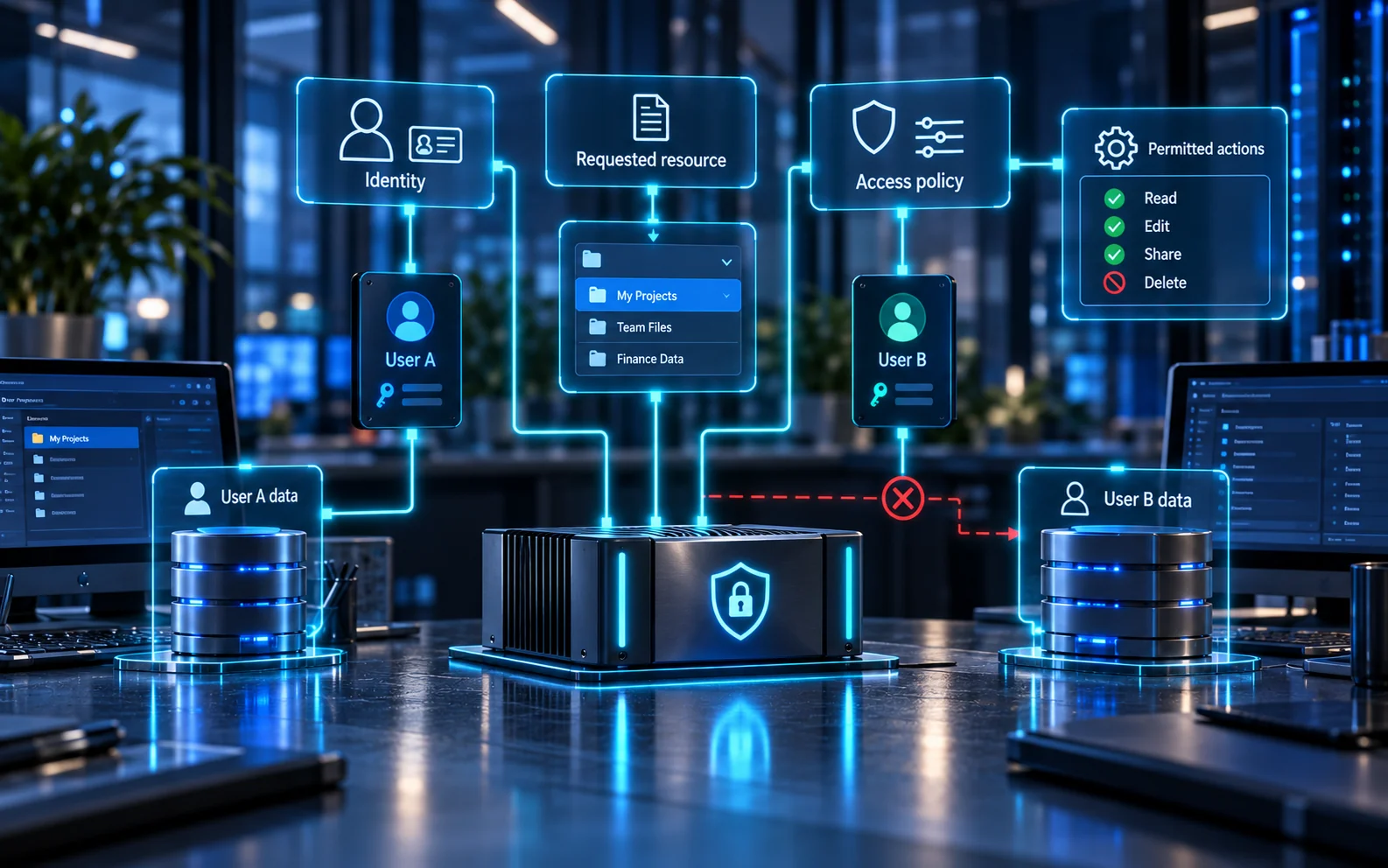
One of the most overlooked areas in cybersecurity is the proper management of user rights. We meticulously assess who has access to what, ensuring that there's no excessive access or potential for internal threats.
Key Areas:
User Role Definitions: Ensuring clarity in roles and corresponding access.
Access Logs Review: Regularly monitoring logs to detect any anomalies.
Two-Factor Authentication: Verifying if critical systems have added layers of security.
5. Network Analysis
Here, we dive into the very nerves of your organization – the networks. We examine the infrastructure, ensuring there's no room for breaches, whether external or internal.
Features:
Traffic Analysis: Monitoring the flow of data to ensure no malicious activity.
Firewall and IDS/IPS Review: Ensuring that the first line of defense is optimally configured.
Wireless Network Security: Ensuring that Wi-Fi networks are secure and have no vulnerabilities
.
6. Endpoint Security Assessment
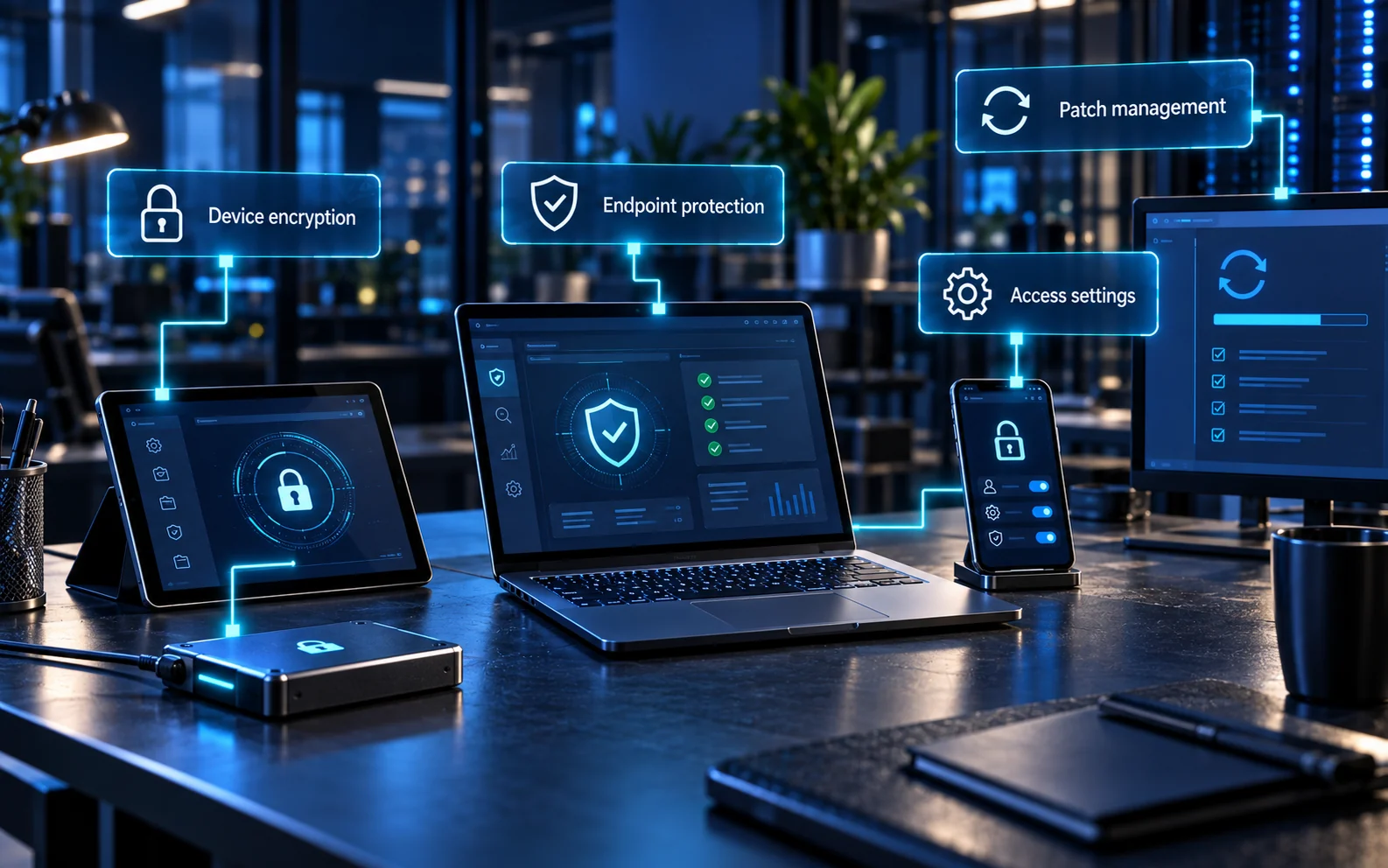
Endpoint devices like laptops, smartphones, and tablets can often be the weakest link. We evaluate the security of these devices, ensuring they're fortified against threats when connected to the network.
Key Areas:
Device Encryption: Confirming data remains confidential even if the device is lost.
Antivirus and Anti-malware Solutions: Verifying up-to-date and efficient protective software.
Patch Management: Making sure devices are updated with the latest security patches.
7. Cloud and Virtual Environment Security
With organizations increasingly moving to cloud-based solutions, it's essential to ensure these environments are not vulnerable. We evaluate cloud configurations, permissions, and the general security stance.
Focus Points:
Container Security: Inspection of Docker, Kubernetes, and other container technologies.
Access Management in the Cloud: Review of permissions and roles in platforms like AWS, Azure, and GCP.
Virtual Network Configurations: Analyzing the safety of data in transit and at rest.

8. Data Protection and Privacy
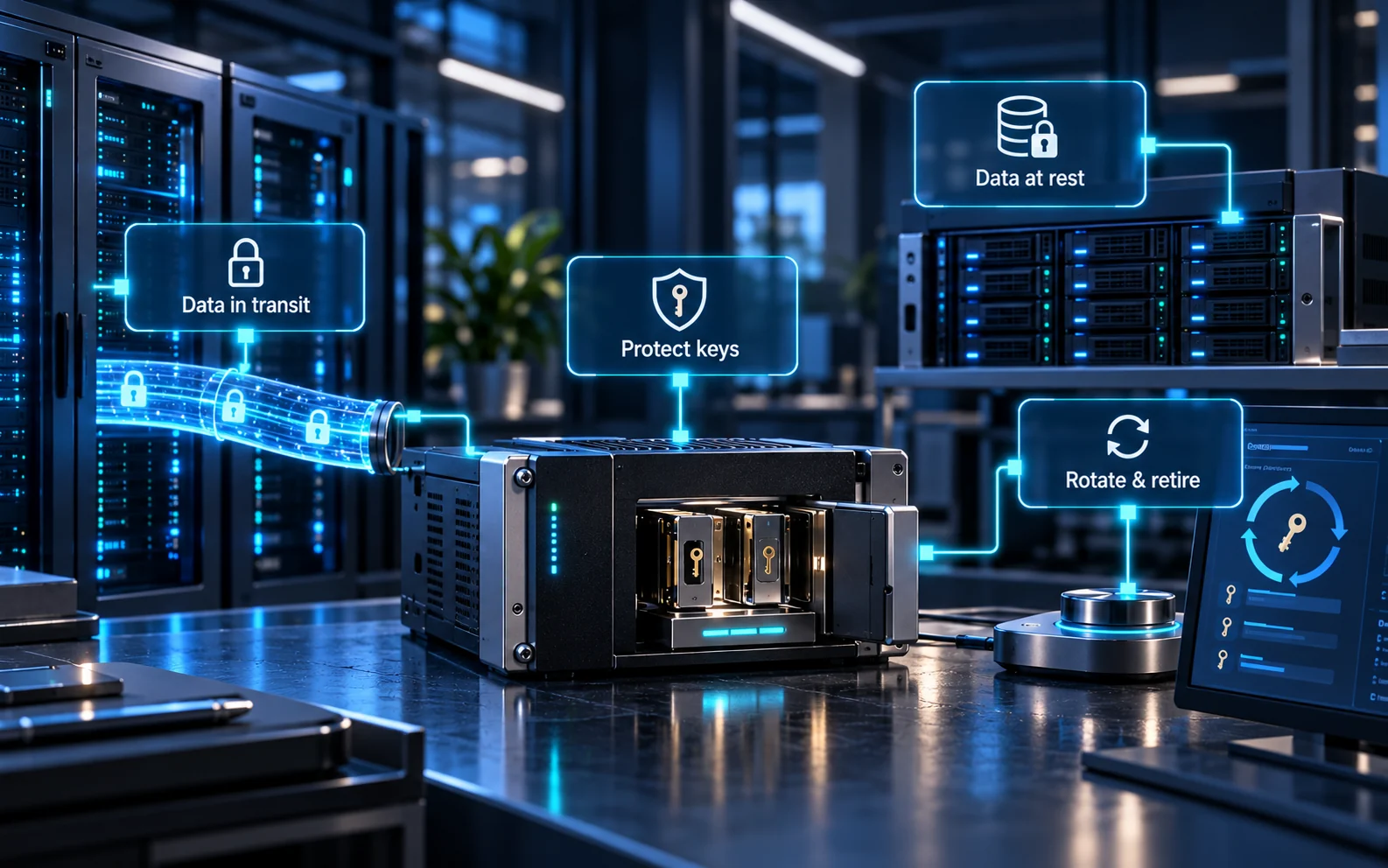
Ensuring that sensitive data remains confidential is paramount. We examine how data is stored, processed, and transmitted, ensuring compliance with global data protection regulations.
Essentials Covered:
GDPR and CCPA Compliance: Evaluating data processes in line with global standards.
Data Masking and Tokenization: Ensuring sensitive data isn't easily accessible.
Encryption Standards: Assessing the strength and effectiveness of encryption algorithms in use.
9. Training and Awareness
The human element is a pivotal part of the cybersecurity puzzle. We assess the organization's cybersecurity awareness levels and recommend tailor-made training modules.
Components:
Phishing Awareness: Understanding employee responses to simulated phishing attempts.
Regular Training Modules: Offering up-to-date security training solutions.
Crisis Management Workshops: Training teams to react appropriately during a security incident.
10. Reporting and Actionable Insights
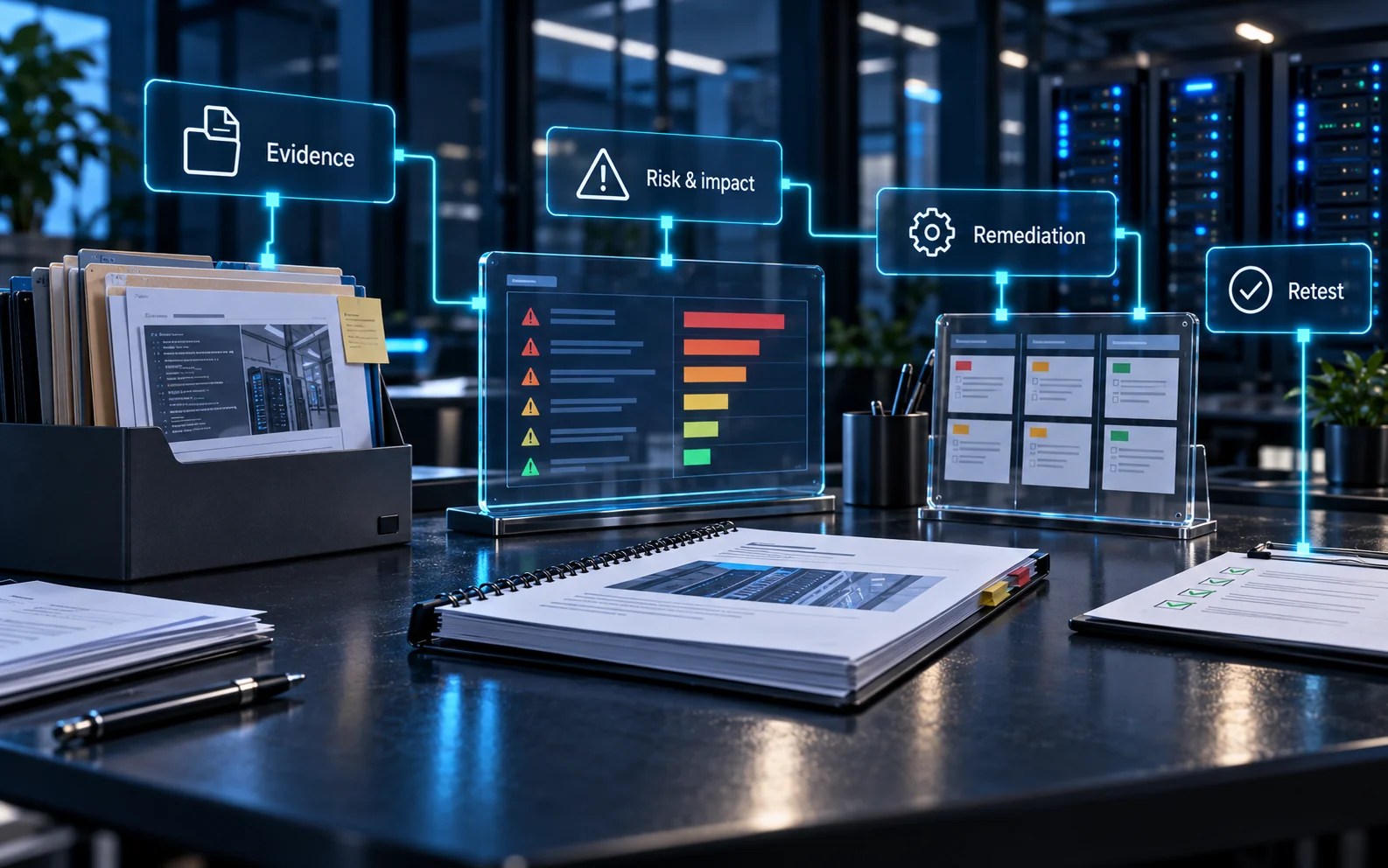
At the culmination of our audit, we don't just leave you with a list of vulnerabilities. We provide detailed, understandable reports and prioritize actions, ensuring a clear path to a more secure environment.
Deliverables:
Vulnerability Summary: A concise list of all detected issues.
Remediation Steps: Detailed guidance on rectifying detected vulnerabilities.
Post-Audit Support: Continued assistance to ensure seamless security improvements.
Features Of Our Penetration Tests
Industry Expertise: Our team comprises professionals with vast experience in cyber defense, ensuring you receive an audit of the highest caliber.
Tailored Solutions: Recognizing that each organization is unique, our audits are customized to cater specifically to your requirements.
Detailed Reporting: Post-audit, we provide exhaustive reports detailing findings, potential impacts, and recommended mitigation strategies.
Continuous Support: Our relationship doesn't end with the audit; we offer continued support to ensure that your organization remains secure.

Ensuring Compliance
In an environment rife with regulations like GDPR, HIPAA, and PCI DSS, our Penetration Tests also ensures that your organization is compliant with prevailing legal and industry standards, minimizing any potential legal ramifications.
Why Regular Security Audits are Imperative
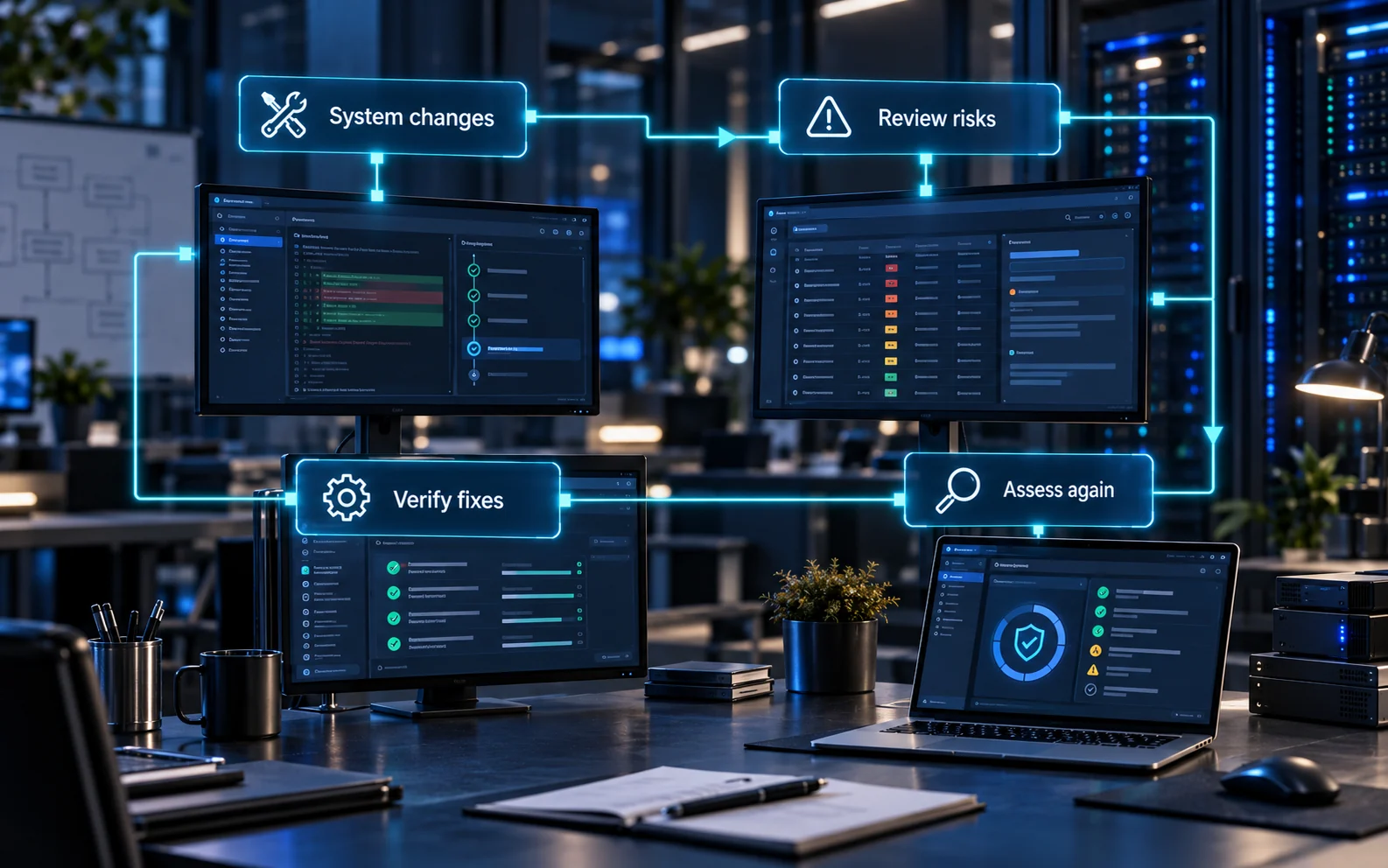
In a rapidly evolving digital world, threats constantly adapt and find new avenues to breach defenses. Regular security audits ensure that organizations stay ahead of potential attackers, ensuring continuous trust from clients and stakeholders.
Other assessment routes
NCSC IT Health Checks for the applicable assurance requirement.
Supply chain testing for agreed supplier and integration risks.
Security assessment services for a wider architecture, exposure or controls questions
Need Help?

If you have any questions about cyber security or would like a free consultation, don't hesitate to give us a call!
For More Information Please Contact Us
ACCREDITATIONS