Social engineering testing examines how organisational processes respond to deceptive requests or interactions. ProCheckUp works with customers to agree realistic scenarios and use the results to improve controls and staff support.
Agreed scenarios and audiences
- The approved scenarios, channels and participant groups
- Verification, reporting and escalation processes
- The data that may be collected and how results will be presented
Social Engineering: The Human Factor in Cyber security
In the complex realm of cyber security, while significant investments flow into robust network architectures and devices, the human element often remains the weakest link. Regular security awareness programs are essential, but without ongoing reinforcement, complacency can set in. Social engineering tests serve as real-time demonstrations of potential security lapses, emphasising the importance of continuous vigilance.

Engaging with ProCheckUp: Scope & Boundaries
ProCheckUp ensures a tailored approach. From remote investigations to on-premise breach attempts, every engagement respects the boundaries established with our clients.
Common Questions
What is Social Engineering?
- Social engineering exploits human psychology rather than technical hacking techniques. It can manifest physically—like an unsecured server room door—or digitally, such as falling for a deceptive phishing email.
What Are The Main Types Of Social Engineering Attacks?
Common types include:
Physical Social Engineering
- Our process starts with comprehensive reconnaissance. Gathering data on employees, company roles, used software, and more, we aim to craft a compelling pretext. If physical breaches are part of the scope, our team utilizes both open-source tools and in-person investigations.
- The engagement then shifts to the exploitation phase, with consultants employing various disguises or roles to test the facility's defences.
Phishing
- Phishing campaigns typically operate externally. The goal is simple: deceive employees into granting unauthorised access, usually through malicious emails. This process begins with Open Source Intelligence (OSINT) to gather valuable data. With a solid pretext in place, we simulate phishing attacks, utilizing realistic scenarios and platforms.
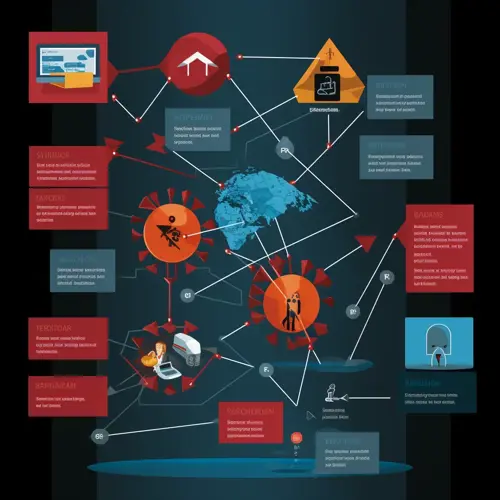
Spear Phishing
- This technique targets specific individuals or departments, often those with elevated privileges like the IT department.
Whaling
- Whaling narrows the focus even further, zeroing in on high-profile targets like CEOs or board members due to their elevated access and influence.
How Does Social Engineering Differ from Traditional Hacking?
- Unlike traditional hacking, which typically exploits technical vulnerabilities, social engineering targets the human element. It uses psychological manipulation to induce individuals to make security mistakes or give away sensitive information, rather than directly breaking into systems through technical means.
Who Should Be Concerned About Social Engineering?
- Every organisation, regardless of size or industry, should be concerned about social engineering. Since it exploits individual behaviour, any group that relies on humans to make decisions about security is vulnerable. This includes private companies, government agencies, non-profits, and educational institutions.
What Skills are Required to Defend Against Social Engineering?
- Defending against social engineering requires a combination of technical security measures and strong interpersonal skills. Critical thinking, skepticism, awareness, and training in recognising and responding to social engineering tactics are essential. Security teams also need skills in security policy development, employee training programs, and incident response.
How Often Should Social Engineering Tests Be Conducted?
- The frequency of social engineering tests can vary based on the organisation’s risk profile and changes in personnel or procedures. However, conducting social engineering tests at least annually, or whenever there is a significant change in the organisation’s infrastructure or personnel, is advisable to keep the defences sharp and the employees vigilant..
Post Engagement Reporting
Upon concluding an engagement, ProCheckUp presents a comprehensive report detailing all findings. This report includes both technical insights and management-level summaries, pinpointing vulnerabilities, recommendations, and evidence. If breaches were successful, we also provide security awareness training recommendations.

Preparing for the engagement
Agree the objectives and safeguards with the responsible stakeholders before testing. Define the permissions, exclusions and stopping conditions for the exercise.
Outcomes and next steps
Report process weaknesses and learning opportunities in a constructive way. The aim is to improve reporting, verification and support rather than to blame individual staff.
ProCheckUp case study
ProCheckUp combined authorised access testing and inspection at a town hall and civic offices to assess building controls and staff response.
Read the local government physical security audit case study.
Related services
- What is Social Engineering
- AI-Driven Cyber Attacks and Social Engineering Defences
- Malware Analysis and Reverse Engineering Services
Discuss your requirements
Contact ProCheckUp with the environment, objectives and timing you have in mind. We can discuss the appropriate scope and next steps.
Need Help?

If you have any questions about cyber security or would like a free consultation, don't hesitate to give us a call!
For More Information Please Contact Us
ACCREDITATIONS