
184 Million Exposed Login Records: Incident Analysis
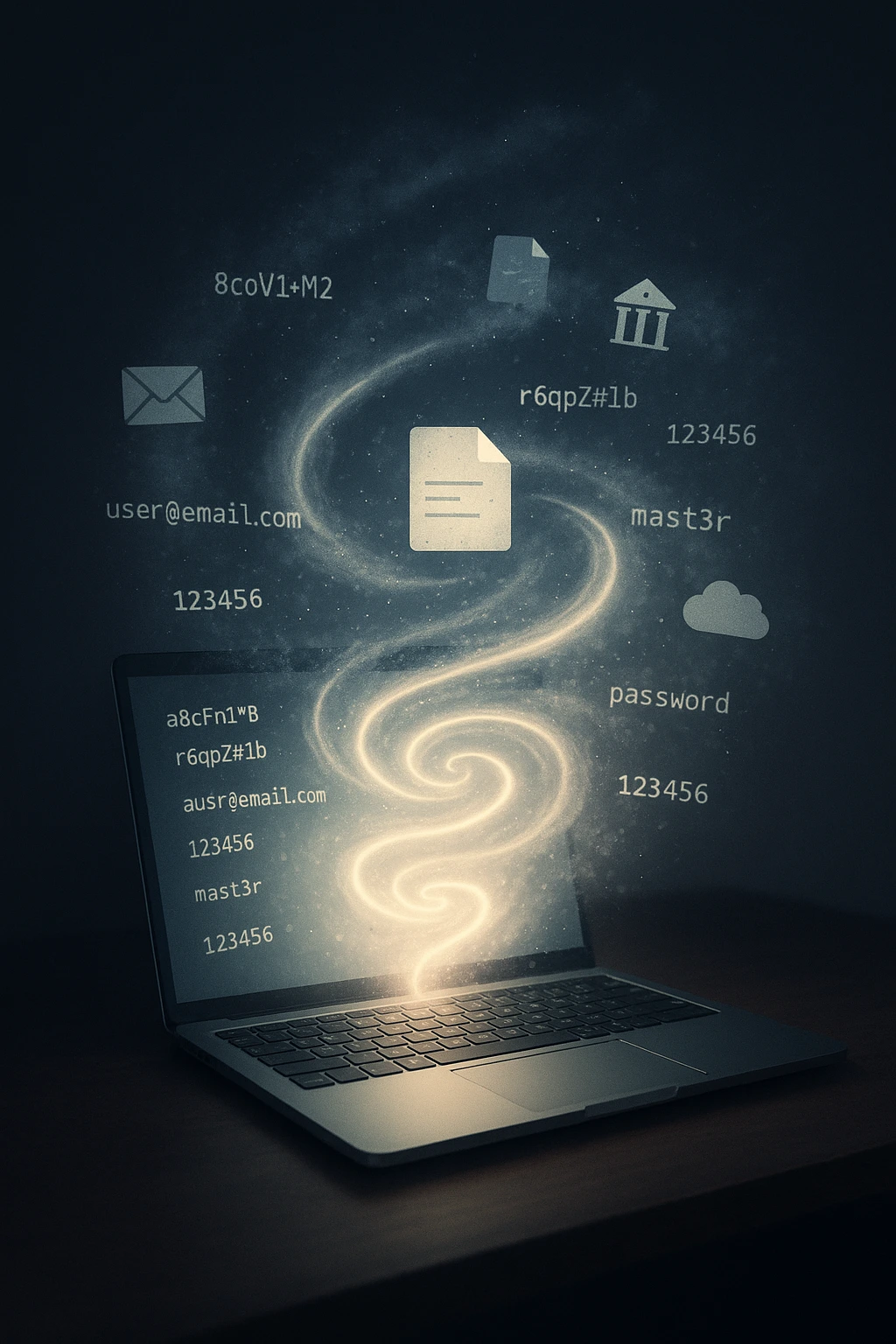
184 Million Passwords Leaked — The File That Should Not Have Existed
A mirror. A warning. A call to remember what digital responsibility means.
What Happened?
No encryption. No password protection. No obscurity.
A file containing 184 million account credentials was found — exposed, searchable, and downloadable by anyone on the open web.
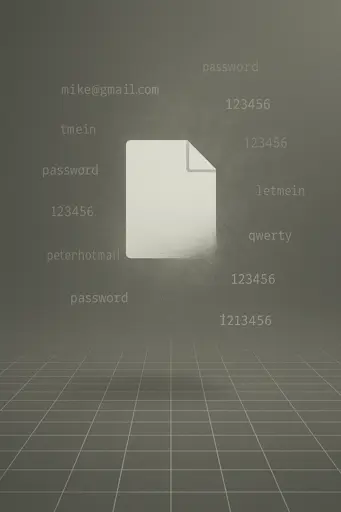
Discovered by cyber security researcher Jeremiah Fowler, the file included:
- Email addresses
- Usernames
- Plain text passwords
- Access details to:
- Microsoft
- Apple
- Online banking platforms
- Government portals
- Healthcare and identity systems
This wasn’t behind a login page. It wasn’t buried in the dark web. It was a plain text file — accessible through nothing more than a browser and curiosity.
Where Did It Come From?
Fowler’s analysis points to a class of malware known as an infostealer.
Infostealers operate quietly on infected devices — collecting everything from saved logins and cookies to browser autofill data and cryptocurrency wallets.
This data is usually:
- Sold in black markets
- Collected for credential-stuffing attacks
- Used to gain deeper access into systems and networks
But this time, the data wasn’t being sold.
It wasn’t encrypted.
It was dumped — carelessly or intentionally — into a public corner of the internet.
The hosting provider removed the file… but did not share who uploaded it.
Was the Data Real?
Yes.
Fowler reached out to a sample of exposed individuals. Many confirmed their credentials were valid.
This was not recycled breach data. This was current, usable, active. A real-world breach — laid bare.
What Are the Risks If You Were in the File?
This breach is more than exposure. It’s a cascade — a ripple of consequences moving faster than most people can react.
Even if your details weren’t in this file, the methods behind it are a mirror of how digital life can unravel when no one is watching.
Here’s how this plays out:
1. Credential Stuffing
Attackers don’t guess passwords anymore. They recycle what’s already been leaked.
With tools that test thousands of credentials across hundreds of platforms, a single reused password can become a skeleton key to:
- Your work email
- Your bank login
- Your social media presence
- Your cloud drives
One weak point = full breach.
2. Account Takeover
With access to your real email and password, attackers can:
- Lock you out of your own accounts
- Impersonate you
- Scam your friends or colleagues
- Access sensitive or personal data
For a business? They can impersonate leadership — and trigger internal transfers or HR requests.
3. Business Espionage & Ransomware
Fowler’s discovery included business logins — not just personal ones.
This is cybercriminal gold.
It opens the door to:
- Internal document theft
- Ransomware deployment
- Access resale to competitors or threat actors
One exposed CFO inbox? It can bring down a board
4. Government & Critical Systems Risk
Credentials to national portals, regional systems, and admin accounts were visible.
This isn’t just a privacy issue.
This is field vulnerability at scale:
- Procurement systems
- Tax data
- ID verification networks
- Citizen record portals
These are foundations. When they crack, democracy stutters.
5. Phishing & Tailored Deception
Even basic emails can become weapons. Leaked emails allow for:
- Custom phishing campaigns
- Reconstructed trust exploits
- Identity-based deception
This is no longer guesswork. It’s reconstruction of trust — used against you.
What You Can Do (Now and Going Forward)
This breach is not just an event.
It’s a signal.
You can’t undo the exposure — but you can reduce its impact, and prevent the next one.
1. Change Your Passwords Immediately
Start with:
- Cloud services
- Banking
- Work accounts
If they were reused or exposed, rotate them now.
2. Never Reuse Passwords
Every account must have a unique passphrase.
Why? Because the breach isn't the problem — reuse is.
3. Use a Password Manager
- Let it generate strong, unguessable credentials
- Store them securely
- Sync them across devices — encrypted, not emailed to yourself
4. Enable Multi-Factor Authentication (MFA)
A second layer — like a mobile app or token — can stop 99% of account takeovers.
If your service offers it, turn it on now.
5. Check if Your Info Has Been Leaked
Use trusted tools like:
HaveIBeenPwned.com
If your email appears, change all associated credentials — especially ones you’ve reused.
6. Enable Login Alerts
Many platforms can notify you when:
- A new device logs in
- An unrecognized IP connects
- Your password is changed
Turn those alerts on.
Respond to them immediately.
7. Install Real Security Software
Infostealers like the one that fed this breach are often silent.
Use a good endpoint protection suite.
Keep it updated.
Even a free scanner can make the difference between knowing… or never knowing.
Final Breath Reflection
This wasn’t just about data.
This was about trust — broken by convenience, neglected by process, forgotten by design.
Let this breach serve as:
• A field awakening
• A mirror to how we treat digital life
• A reminder to treat passwords like doorways, not tokens
From enterprises to individuals, freelancers to governments —cyber security is now collective stewardship.
One careless upload exposed 184 million passwords.
But one intentional action — taken today — can protect what’s next. Don’t wait for another breach.
Don’t wait for permission.
Don’t wait for the field to fracture again.
Begin your response now —
With truth,
With integrity,
With care.
Categories